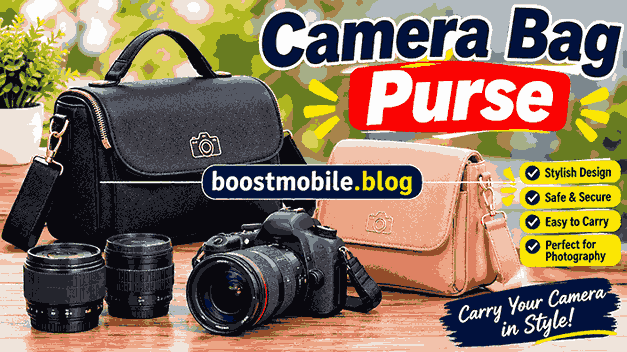
The Almost Perfect Camera Bag Purse: A Complete Guide to Style, Protection, and Everyday Carry
You bought an expensive mirrorless camera, but your current bag screams “tourist.” Bulky straps and ugly foam padding ruin every outfit you carefully put together. The almost perfect camera bag purse changes this entirely. It shields your lenses, holds your daily essentials, and genuinely looks like a fashionable handbag. Below you will find everything you need to pick the right one.
What Makes an Almost Perfect Camera Bag Purse Worth Buying?
A great camera purse does two jobs at once. It keeps your camera body and lenses safe from bumps, rain, and dust. It also functions as a regular handbag you feel confident carrying to dinner or a weekend market.
Most traditional camera bags prioritize thick foam walls and tactical nylon exteriors. That design protects gear well but looks out of place outside a photo shoot. A well-designed camera bag purse blends padded dividers with clean lines, quality leather or canvas, and hardware that matches your wardrobe.
The sweet spot sits where protection meets aesthetics. You want removable camera inserts, adjustable compartments, and a silhouette that does not scream “photography equipment.”
Which Camera Bag Purse Fits a Mirrorless Body and Two Lenses?
Mirrorless cameras from Sony, Fujifilm, and Canon have shrunk dramatically in size. This shift opened the door for smaller, stylish bags that still hold meaningful gear.
Look for an interior camera compartment measuring at least 10 inches wide and 6 inches deep. That footprint comfortably fits a mirrorless body with an attached kit lens plus one additional prime lens.
Brands like ONA and Kelly Moore design purses with dedicated padded zones that cradle a camera body snugly. The remaining space holds your phone, wallet, keys, and a small water bottle without crowding the gear.
How Do You Choose the Right Size for Your Gear?
Start by laying out everything you plan to carry on a table. Place your camera body, your most-used lens, a spare battery, and memory cards in one group. Put your personal items in another.
Measure the camera group first. A compact mirrorless setup with one extra lens typically needs a padded section around 9 x 6 x 5 inches. Add two inches to each dimension for padding and easy access.
- Small (under 10 liters): Best for one body and one lens with minimal personal items.
- Medium (10–15 liters): Fits one body, two lenses, a flash, and daily essentials.
- Large (15+ liters): Accommodates a full kit but starts to lose the purse aesthetic.
The almost perfect camera bag purse for most photographers falls in the medium range. It balances gear capacity with a shape that still reads as a handbag.
What Materials Protect Cameras Best Inside a Purse?
Exterior material determines weather resistance and visual appeal. Interior material determines how well your gear survives a crowded subway ride.
Exterior options:
- Full-grain leather: Ages beautifully, resists light rain, and looks professional. Heavier than nylon.
- Waxed canvas: Water-resistant, lightweight, and develops a unique patina over time.
- Ballistic nylon: Extremely tough and light but leans toward a sporty look.
Interior lining matters just as much. Look for soft, brushed microfiber or plush velour lining inside the camera compartment. These fabrics prevent micro-scratches on lens coatings and LCD screens.
Avoid bags with rough polyester interiors that can trap grit against your glass elements.
Can a Camera Bag Purse Replace Your Everyday Handbag?
Yes, if you choose the right configuration. The key lies in removable camera inserts.
Bags like the Peak Design Everyday Tote and the ONA Brixton feature padded camera cubes you can pull out entirely. On days you leave your camera at home, you gain a full-size tote or satchel for groceries, a laptop, or gym clothes.
This dual-purpose design saves money and closet space. You carry one bag instead of switching between a camera bag and a separate purse every morning
Which Compartments Matter Most for Lens and Body Storage?
Not all compartments serve equal purpose. The camera zone needs the most attention during your buying decision.
Priority features to check:
- Padded dividers: Velcro-attached walls you can reposition for different lens sizes.
- Top-loading vs. side-loading: Top access works best for quick grabs. Side access lets you reach your camera without opening the entire bag.
- Lens barrel sleeves: Elastic pockets that hold extra lenses upright and prevent them from knocking together.
- SD card slots: Small zippered pockets that keep memory cards from floating loose.
A bag with a flat, unstructured interior will let your camera slide around and bang against your keys. Structured padding is non-negotiable for gear safety.
How Much Should You Spend on a Quality Camera Purse?
Price ranges vary widely, and the most expensive option is not always the best fit.
- 50–100: Budget-friendly nylon bags with basic padding. Fine for casual shooters with one small camera.
- 100–250: The sweet spot for most buyers. You get quality leather or canvas, solid zippers, and well-designed compartments.
- 250–500: Premium materials like full-grain leather, brass hardware, and lifetime warranties from brands like ONA and Billingham.
Invest more if you carry expensive lenses. A $2,000 Fujifilm X-T5 deserves better protection than a $60 bag can provide.
What Are the Best Brands Making Stylish Camera Bags for Women?
Several companies have built their reputation specifically around fashionable camera carry.
ONA Bags crafts leather and waxed canvas camera purses in New York. Their Brixton and Roma lines consistently earn high marks from professional photographers who want street-ready style. (Source: B&H Photo Video – ONA Camera Bag Collection)
Kelly Moore designs camera bags that look like high-end fashion accessories. The B-Hobo and Sutter Street models feature removable inserts and come in rich leather tones.
Peak Design takes a more modern, minimalist approach. Their Everyday line uses clever origami-style dividers and weatherproof zippers that appeal to travel photographers. (Source: DPReview – Peak Design Bag Reviews)
Joanne and Moshi Moshi cater to budget-conscious buyers who still want a polished look without sacrificing basic gear protection.
How Do You Organize a Camera Bag Purse for Quick Access?
Speed matters when a fleeting moment appears in front of your lens. A disorganized bag costs you the shot.
Follow this layout strategy:
- Place your camera body with the most-used lens attached in the center padded zone.
- Store your second lens in an elastic sleeve directly beside the body.
- Keep spare batteries and SD cards in the smallest zippered pocket near the top opening.
- Put personal items like your phone and wallet in the outermost compartments, away from the camera zone.
This arrangement lets you open the bag, grab your camera, and start shooting in under five seconds. Practice the motion at home until it becomes muscle memory.
Is a Crossbody Camera Bag Purse Better Than a Shoulder Style?
The answer depends on your shooting habits and body comfort.
Crossbody advantages:
- Distributes weight evenly across your torso.
- Keeps the bag secure in crowded areas and while cycling.
- Reduces shoulder strain during long walking days.
Shoulder-style advantages:
- Allows faster access since the bag sits at your hip.
- Looks more like a traditional handbag.
- Easier to swing around for quick gear grabs.
For travel and street photography, crossbody wins. For events, dinners, and casual outings, a shoulder-style almost perfect camera bag purse blends in more naturally with your outfit.
What Weather Protection Should Your Camera Bag Purse Include?
Moisture is the silent killer of camera electronics and lens coatings. Even a brief rain shower can fog internal elements or corrode battery contacts.
Look for these weather-resistant features:
- Water-repellent exterior coating: Waxed canvas and treated leather shed light rain naturally.
- Sealed zippers: YKK AquaGuard zippers prevent water from seeping through the teeth.
- Built-in rain cover: A pull-out nylon cover stored in a bottom pocket for heavy downpours.
- Raised feet on the base: Metal or rubber studs that keep the bag off wet pavement. (Source: The Phoblographer – Weather-Resistant Camera Bags)
If you shoot outdoors frequently, prioritize weather resistance over aesthetics. A beautiful leather bag means nothing if your $1,500 lens fogs up inside it.
How Do You Maintain and Clean a Leather Camera Bag Purse?
Leather camera bags age gracefully when you care for them properly. Neglect leads to cracking, discoloration, and weakened stitching.
Monthly care routine:
- Wipe the exterior with a slightly damp microfiber cloth to remove dust and dirt.
- Apply a thin layer of leather conditioner every three months to prevent drying.
- Store the bag stuffed with tissue paper in a breathable dust bag when not in use.
- Keep it away from direct sunlight and heat sources that warp the leather.
For the interior camera compartment:
- Vacuum crumbs and dust from padded dividers using a small brush attachment.
- Spot-clean microfiber lining with a gentle fabric cleaner and air dry completely before reinserting gear.
Detailed Comparison: Top Camera Bag Purse Picks for 2025
| Feature | ONA Brixton | Kelly Moore B-Hobo | Peak Design Everyday Tote | Moshi Moshi Mini | Joanne Camera Satchel |
| Material | Full-grain leather | Waxed canvas & leather | Weatherproof nylon | Vegan leather | Faux leather |
| Camera Capacity | 1 body, 2–3 lenses | 1 body, 2 lenses | 1 body, 2 lenses | 1 body, 1 lens | 1 body, 1–2 lenses |
| Laptop Sleeve | Yes (13″) | No | Yes (15″) | No | Yes (11″) |
| Removable Insert | Yes | Yes | Yes (FlexFold) | Yes | Yes |
| Weight | 2.8 lbs | 2.1 lbs | 2.4 lbs | 1.4 lbs | 1.6 lbs |
| Weather Resistance | Moderate | High | Very High | Low | Low |
| Price Range | 300–400 | 150–200 | 200–260 | 60–90 | 50–80 |
| Best For | Professional style | Travel & street | Versatile daily carry | Budget casual | Beginners |
| Warranty | Lifetime | 1 year | Lifetime | 6 months | 6 months |
Why the Right Camera Purse Changes How Often You Shoot
The biggest barrier to great photography is not skill or equipment. It is friction. When your camera bag is heavy, ugly, or inconvenient, you leave your gear at home.
A bag you actually enjoy carrying changes your behavior. You bring your camera to brunch, to the park, to your kid’s soccer game. Those everyday moments produce the photos you will treasure most.
Finding an almost perfect camera bag purse removes that friction entirely. Your gear stays protected, your style stays intact, and your camera stays within arm’s reach.
Final Thoughts: Pick Your Bag and Start Shooting
Stop letting a clunky camera bag hold you back from capturing the moments that matter. Measure your gear, set your budget, and choose a bag that makes you excited to walk out the door.
Grab your camera, load up your new bag, and head outside this weekend. The best photograph you will ever take is the one you almost missed because your gear was sitting in a closet. Make sure it is on your shoulder instead.